The life of a local
Some people live their lives and die having never left the area in which they were born. The same happens for some fauna.
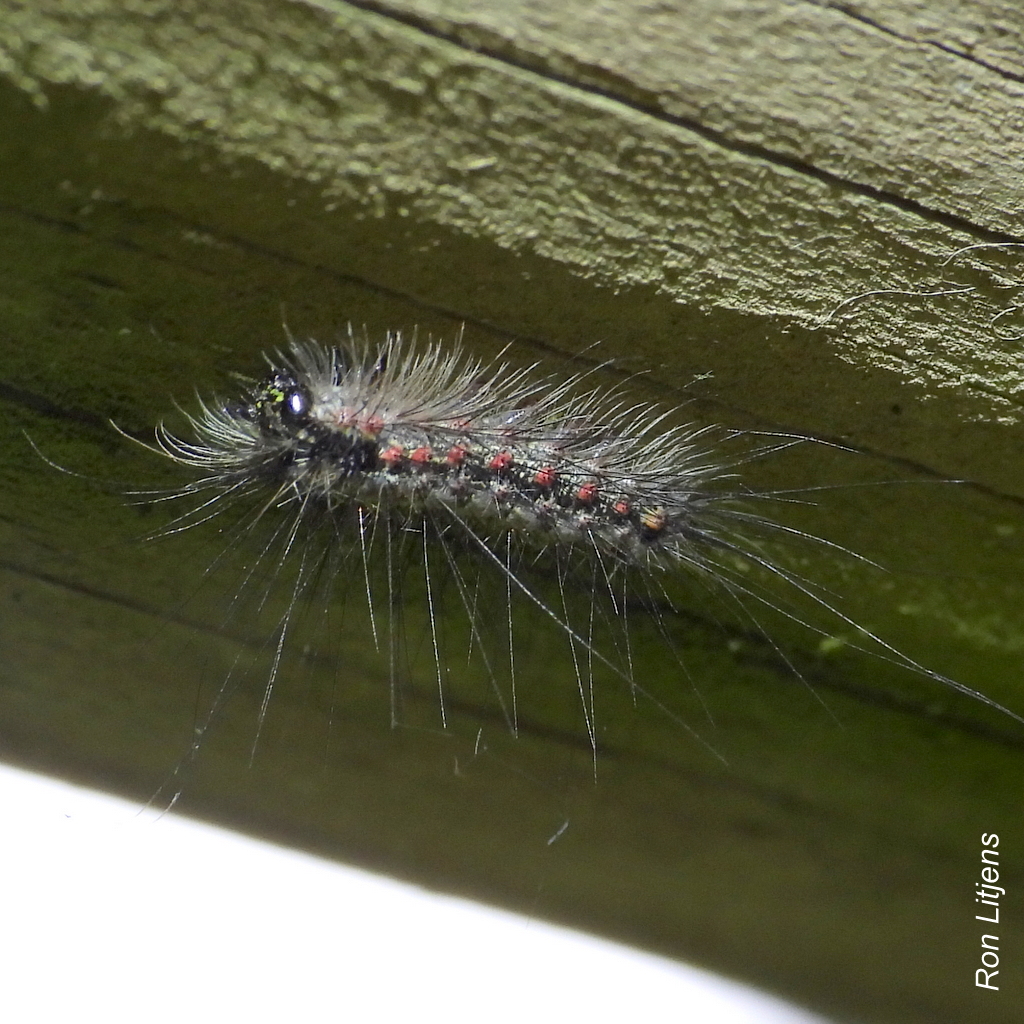
The Lithosiini are a tribe of moths characterised by caterpillars that live on lichen and algae. They are also characterised by caterpillars that are decidedly hairy. Yesterday I came across one of them, a Clouded Footman (Anestia ombrophanes) caterpillar, pictured left, grazing on a lichen covered fence post.
.
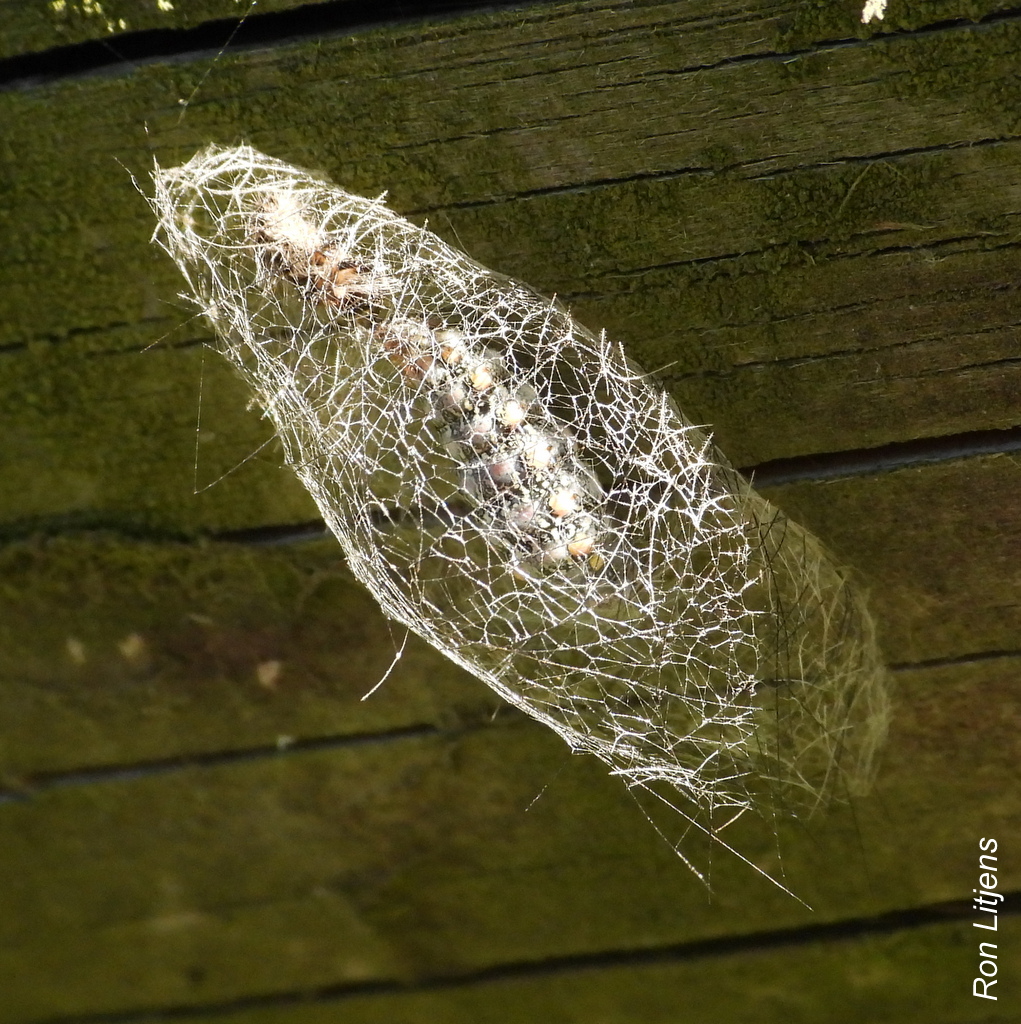
Before pupation the caterpillar constructs a loosely woven cocoon out of silk and its own body hair, pictured right and then pupates in this open weave structure.
The female Clouded Footman moth is wingless and flightless. Upon emerging from her cocoon she is mated with by the male and lays eggs on the cocoon from which she has emerged, pictured below.
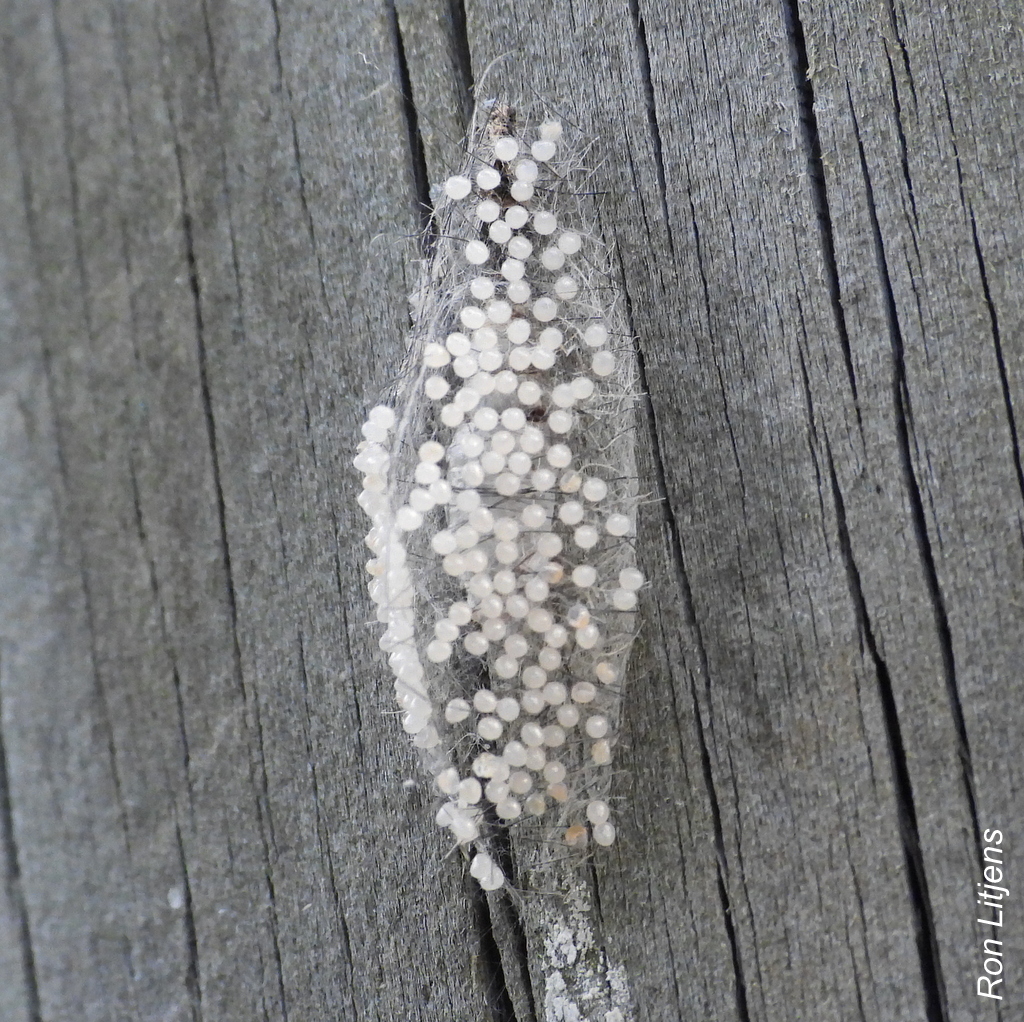
A life spent probably on the same post.
The have and have nots
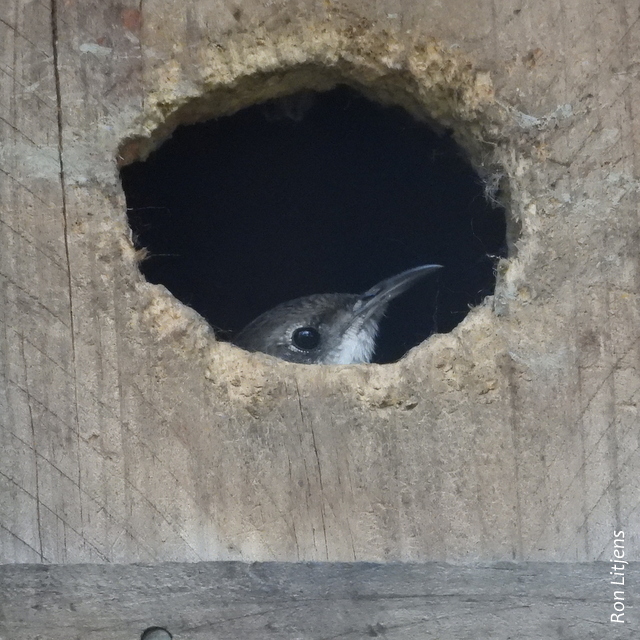
With the approach of Spring, nestboxes become hot property as fauna look for secure places to roost or rear their young. The local wetland has installed many of these wooden structures, built by the wood-working students from the local high school. The boxes are monitored regularly to see if they are occupied and by what, and to check that feral species such as the Western Honey Bee (Apis mellifera) haven’t moved in.
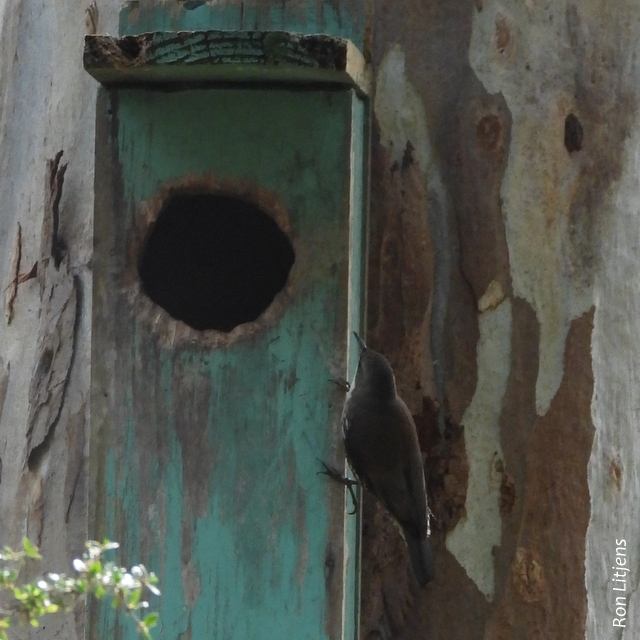
Up until last week possums (Ringtailed and Brushtailed) and Kreft’s Gliders have been the only creatures observed to inhabit the nestboxes, apart from the aforementioned Honey Bees. But last week White-throated Treecreepers (Cormobates leucophaea) were seen occupying two of the nestboxes. These birds are distributed along the east coast of Australia from Cooktown around to Adelaide. They are insectivorous and often seen climbing up the trunks of trees looking for insects, mainly ants. They occupy the same ecological niche as the Varied Sitella (Daphoenositta chrysoptera), a bird that is most often seen climbing down trees. The reason for the change in occupant is unknown. Maybe the recent flooding in the wetland has forced the ‘fluffies’ to seek accommodation elsewhere.
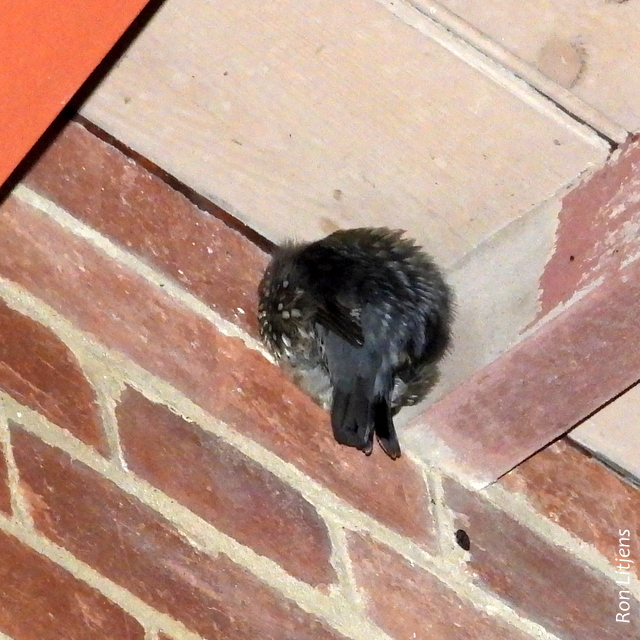
Meanwhile less than a kilometre away at my place a White-throated Treecreeper was seen spending the night tucked under the eaves (pictured left). They can do this because their legs and feet are controlled by special tendons so that when a bird bends its legs the feet automatically close. In this way the treecreeper can sleep whilst attached to vertical surfaces.
It just shows though that the housing crisis isn’t just restricted to us.
They’re living in the city
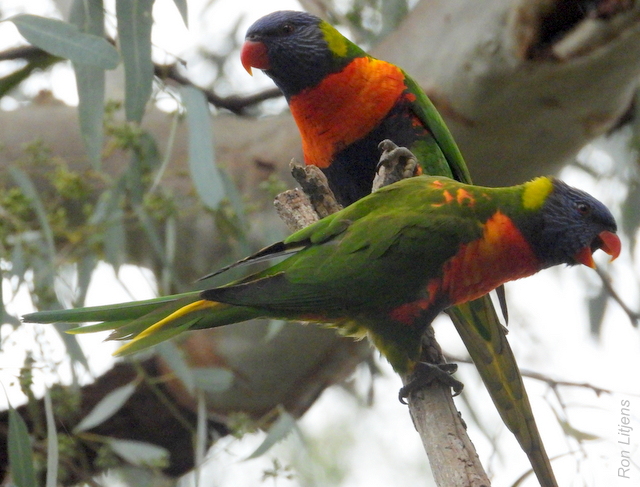
For many years I have participated in the annual Aussie Bird Count run by Birdlife Australia but have regularly been dismayed by the results. Appearing near the top of the bird sighting lists every year are several birds that though seen around Flowerdale and Yea are certainly not in the numbers that would warrant being top-ten contenders.
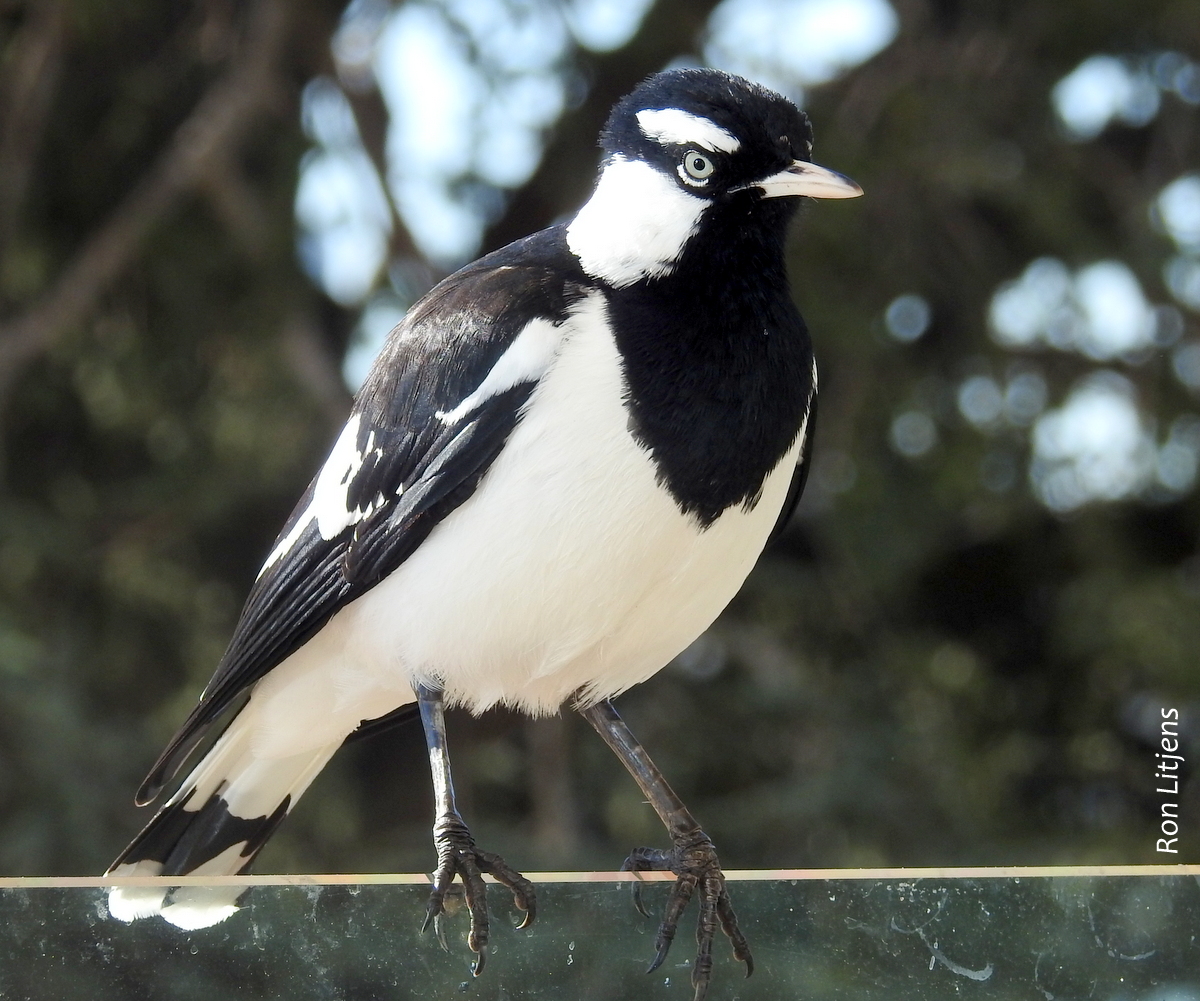
But now that I am spending time in the city I know why those species are near the top of the list. They are living here. Without doing an actual bird count the three most numerous birds I have observed around my new inner-city locale are the Rainbow Lorikeet, Noisy Miner and the Australian Magpie-Lark.
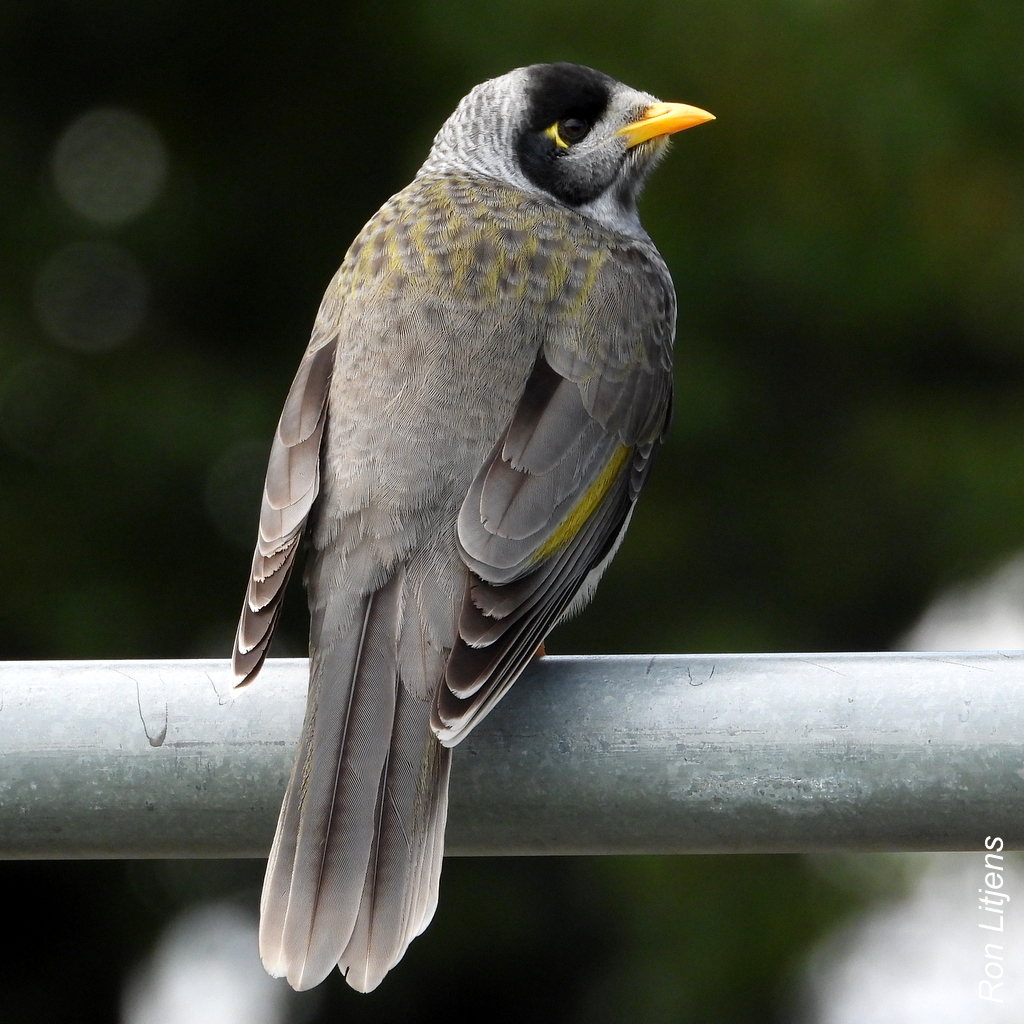
Surprise, surprise this agrees with what the survey has been telling me for years. In 2025 Aussie Bird Count they ranked 2nd, 3rd and 5th respectively.
Next time I see a Rainbow Lorikeet in Flowerdale I won’t get so excited. I’m over them.
All boats lift on a rising tide
….is a saying that is often used in economics. For example if the ASX200 has a good day most shares will be in positive territory. It could also be applied to the recent floods. The Yea Wetlands has been in full flood in recent weeks i.e. all wet and no land. Those who have been intrepid enough to don waders and wander out into the flood waters would have seen Swamp Wallabies happily skipping through the water to find the next log to perch on, wombats less than happily stranded on a stump waiting for the water to recede and arthropods aplenty trying to stay above the water level.
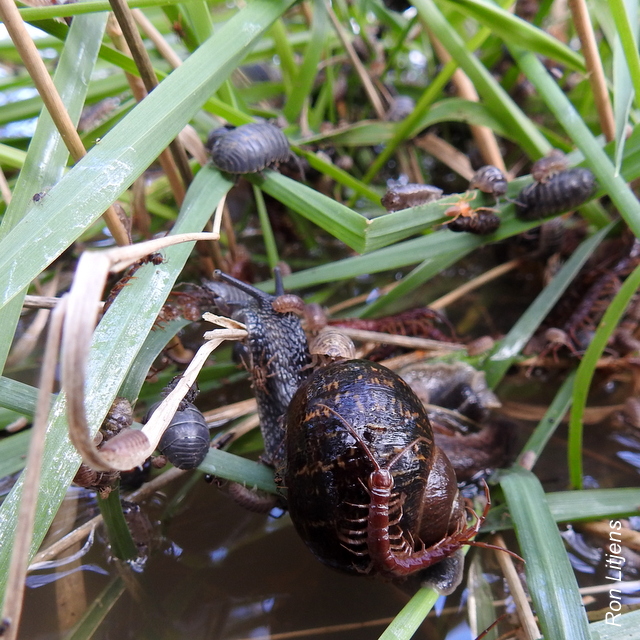
When the spectacle of a flooded wetland occurs, few think about what happens to all the spiders, insects, slaters and snails. My recent slosh through the flooded reserve revealed every reed and grass stem sticking above the water crowded with arthropods seemingly observing an uneasy truce. Fauna that would normally be sworn enemies were patiently sitting next to (even on) each other waiting for the water level to drop (pictured above).

Of note were the large numbers of medium sized black and red spiders, formally known a Red and Black Spiders (Nicodamidae family) that appeared, pictured above. This family of spiders is only found in Australia and Papua New Guinea. They are not often seen because they build sheet webs at ground level and as such are usually hidden in the vegetation.
But as the saying goes ‘All arthropods lift on a rising wetland’.
How very FIFA
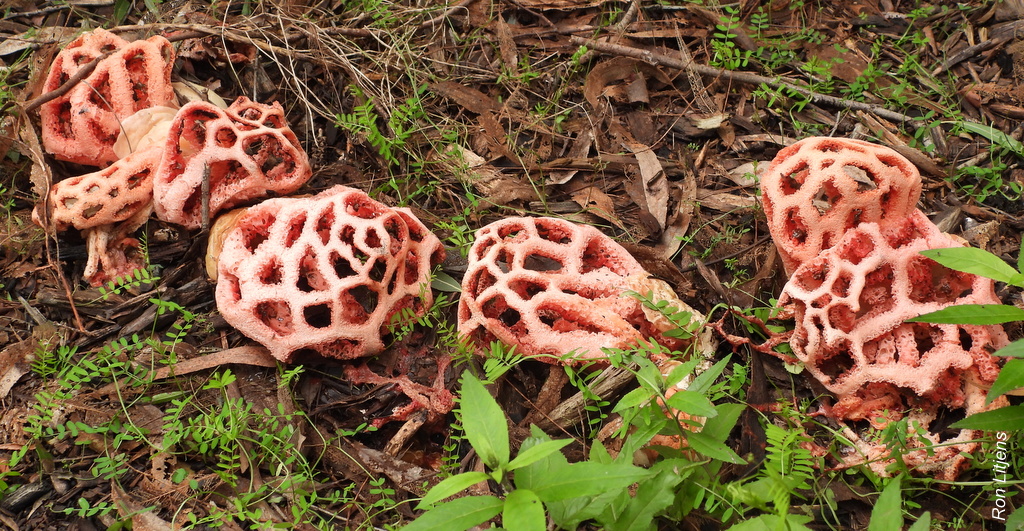
In keeping with a World Cup theme, in some parts of the landscape particularly those where mulch has been applied there are a number of what look like miniature soccer balls on the ground. They are not puffballs but the membranes protecting Latticed Stinkhorns or Red Cage Fungi (Clathrus ruber), pictured below. This fungus is native to southern Europe but is now found world-wide. When the membrane ruptures the red-orange lattice-shaped fungus emerges.
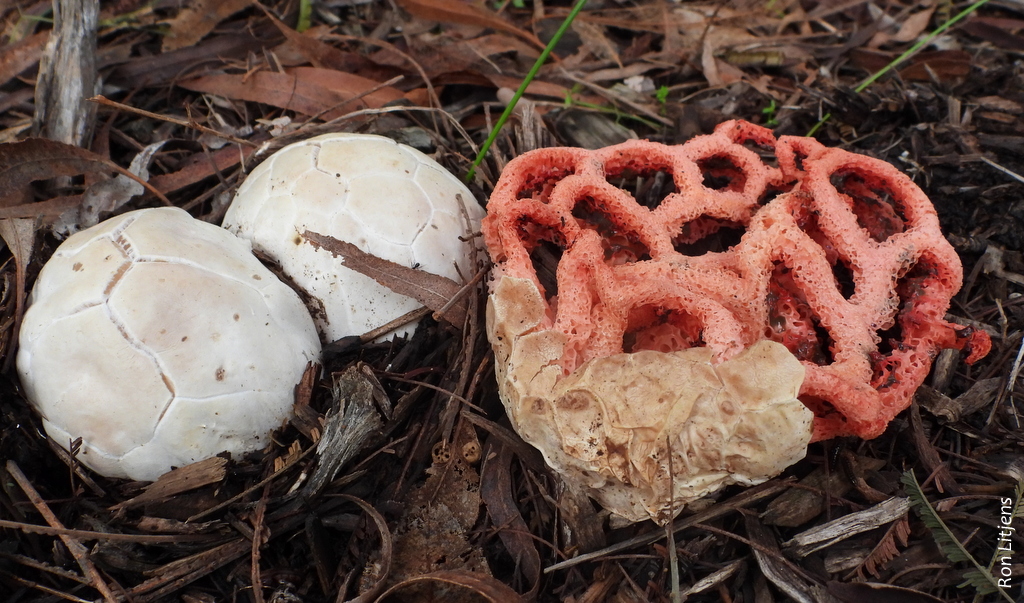
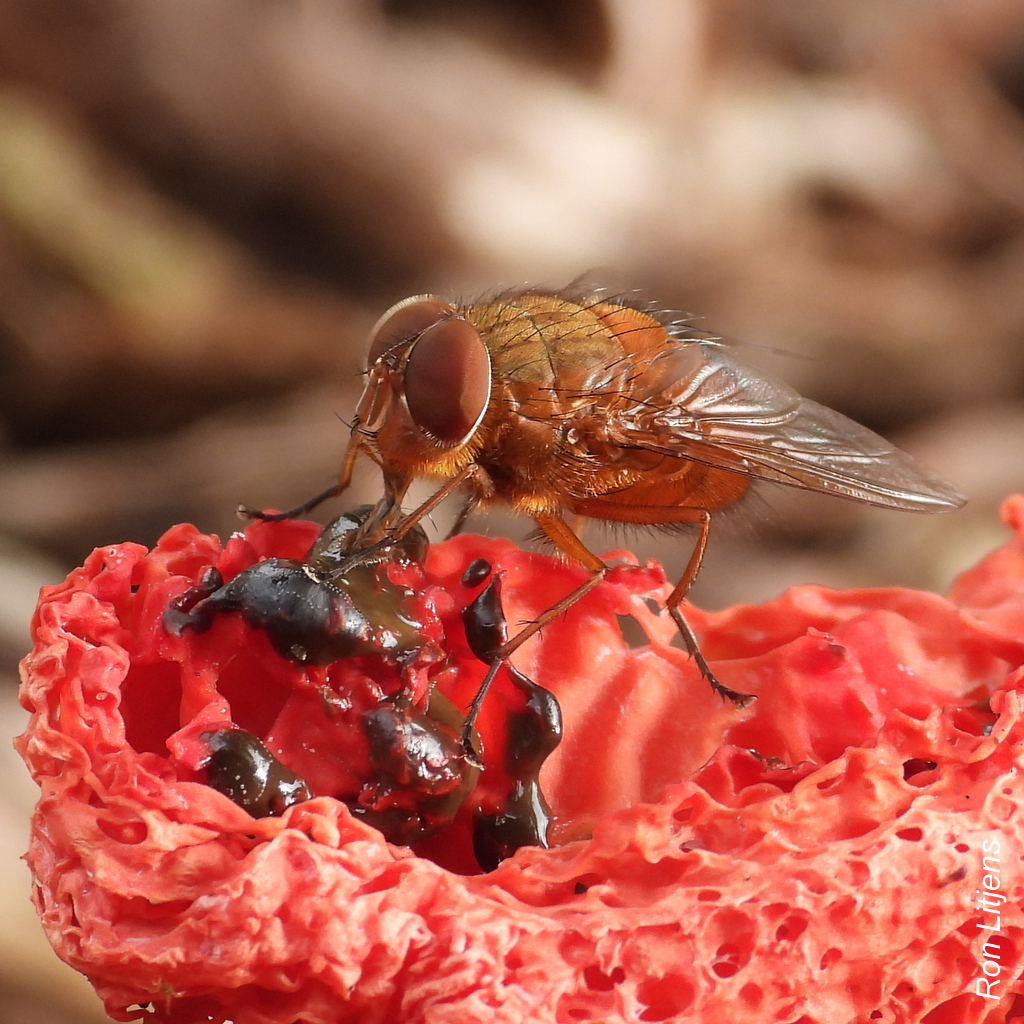
The lattice is lined with a dark slime that contains the fungus spores. The slime smells of rotten meat, hence the appellation ‘stinkhorn’. The smell attracts many species of invertebrates particularly flies. The invertebrates walk in the slime whilst feeding and when they leave, the spores are carried with them.
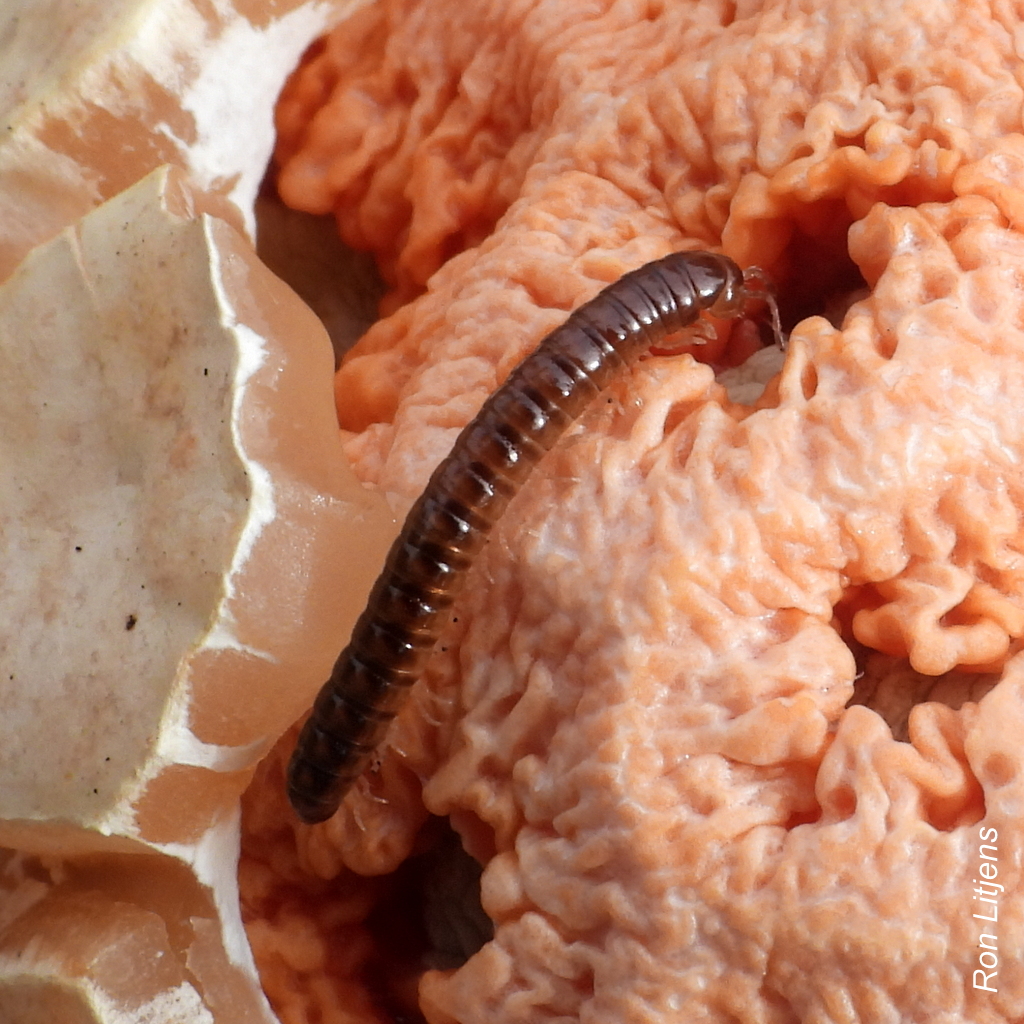
It is lucky this is not a scratch’n’sniff blog – the smell is quite overpowering.
Birds in Strange Places
Some birds live in very specialised habitats, for example the Eastern Whipbird is only found in dense wet forests, or quail are only found in grassy plains and paddocks. But there are cosmopolitan species that can find a living in many different habitats.
I recently spent some time on the coast down near Inverloch and saw some familiar birds in surprising locations.
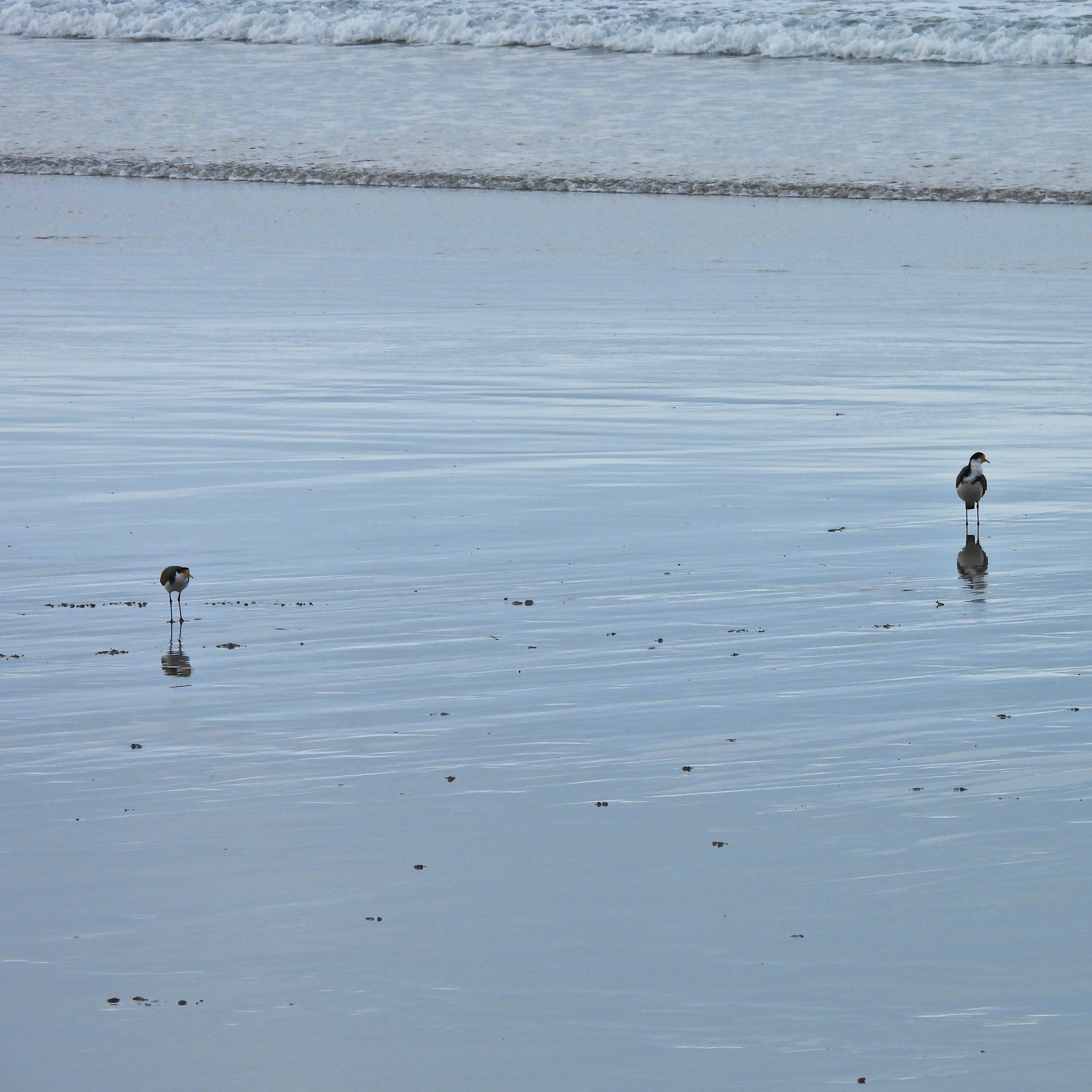
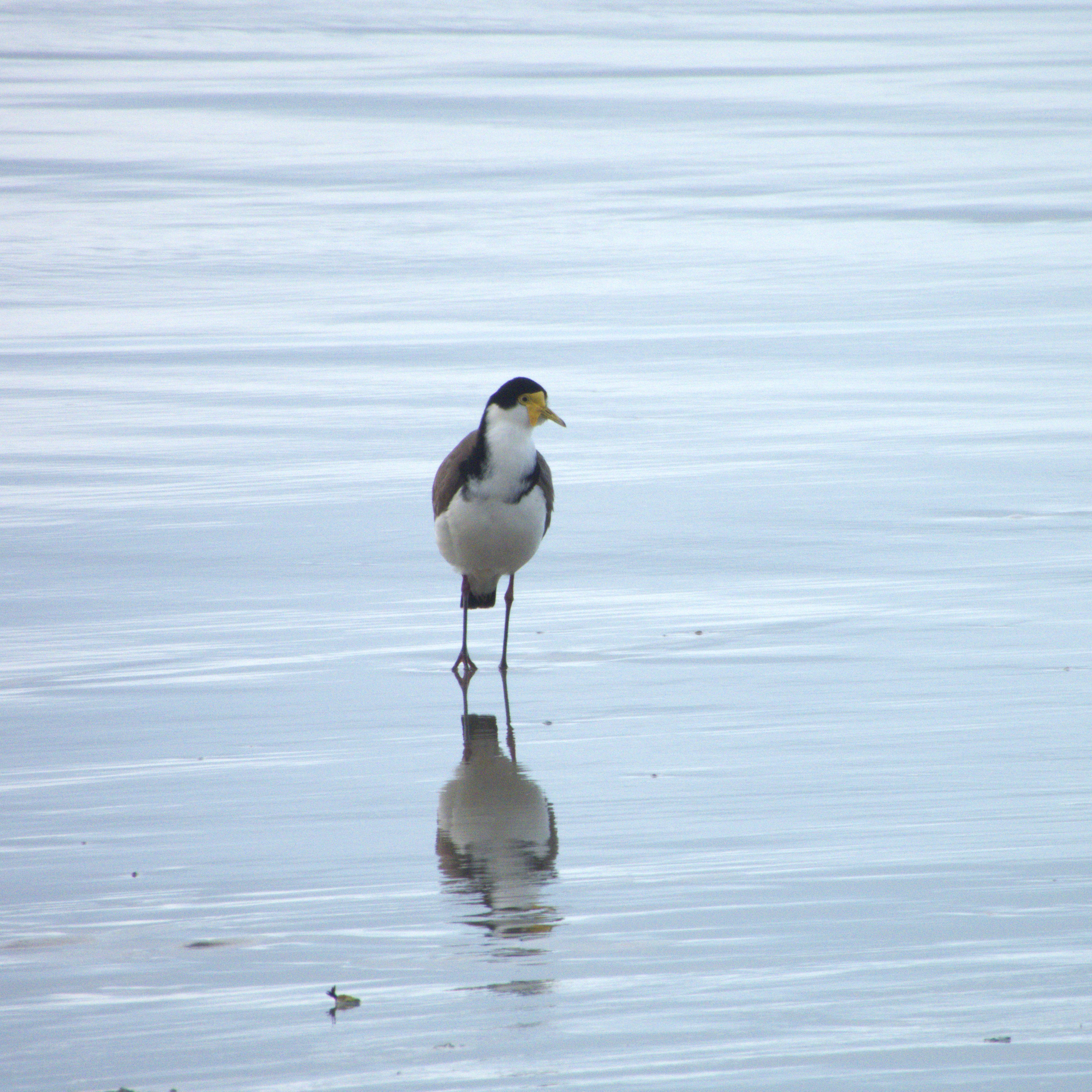
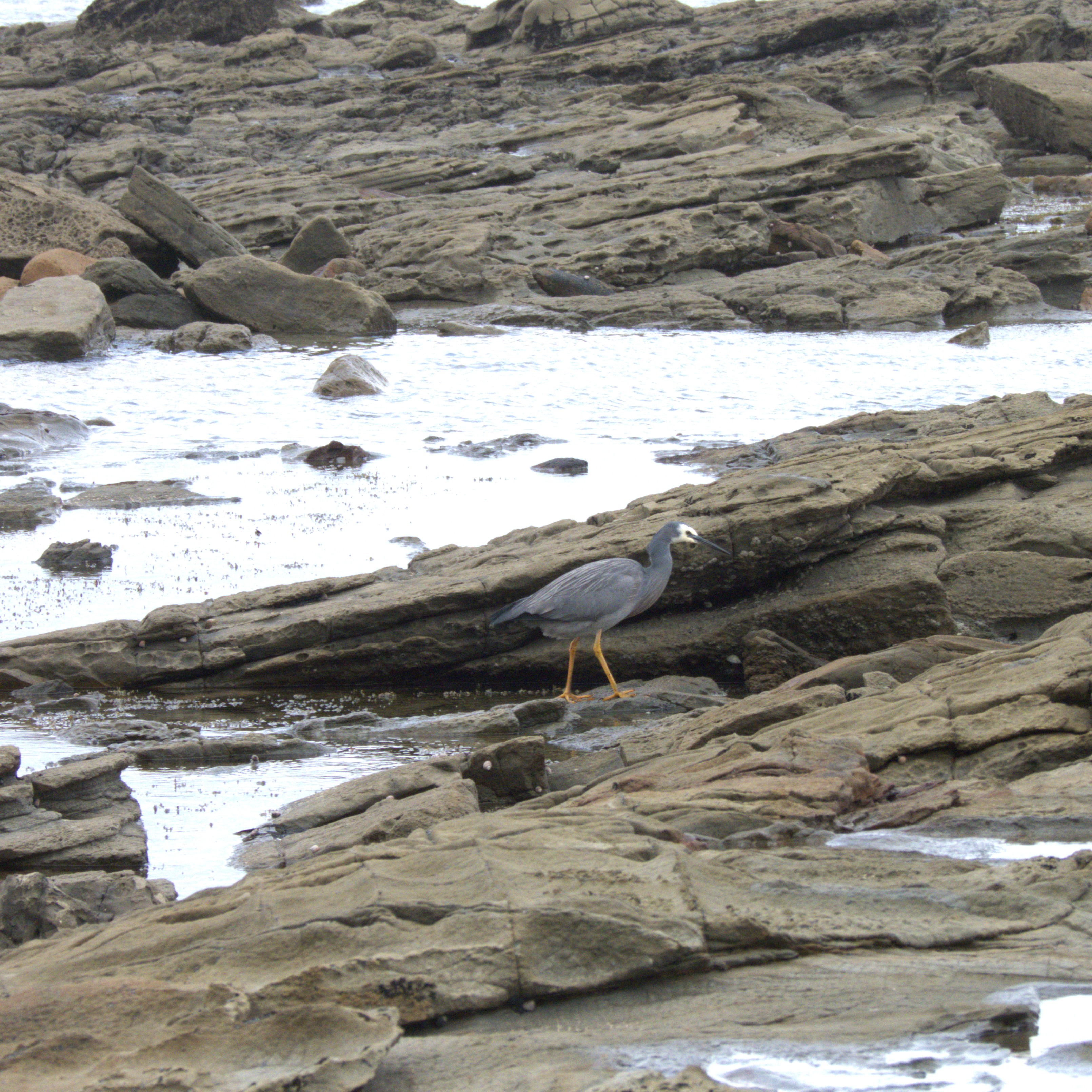
Masked Lapwing (Vanellus miles subspecies novaehollandiae) and White-faced Heron (Egretta novaehollandiae) are both common on farms and ovals, paddocks and suburbs, yet here they are close to the crashing surf on sand and rock. Perhaps it is no coincidence that both have the word novaehollandiae in their Latin name – they are birds of ‘New Holland’ the old name for all of Australia. (Although, the Lapwing’s subspecies is the one occurring in the South of the continent – the subspecies in the North is called ssp miles and has larger yellow drupes (called ‘lappets’) on its face and more white on its breast and neck).
Other common farm species also seen at the beach were ravens, starlings, cormorants and wattlebirds (in the coastal scrub).
When the apocalypse descends and the great extinction of species gains speed, we will probably lose those species that have specialised habitats and limited range. I expect the Lapwing and the White-faced heron will survive along with cockroaches and black rats. They’re adaptable, have a range of foods they can forage, and the skills to relocate easily.
When is ‘buff’ a compliment?
I first had a good look at a Buff-rumped Thornbill (Acanthiza reguloides) when one flew into the apple tree outside my kitchen window many years ago, and I noticed a kind of reddish tinge to its mottled forehead. They are a rather plain woodland thornbill with a tinkling call. Not common in Central Victoria, the Buff-rumped is reliably found in small flocks at places like the Lighthorse Reserve at Seymour and Constitution Hill in Yea. I came across an active flock this week and finally got some good shots. This time of year, they can form quite large flocks, but they will pair up and move into family groups in Spring.
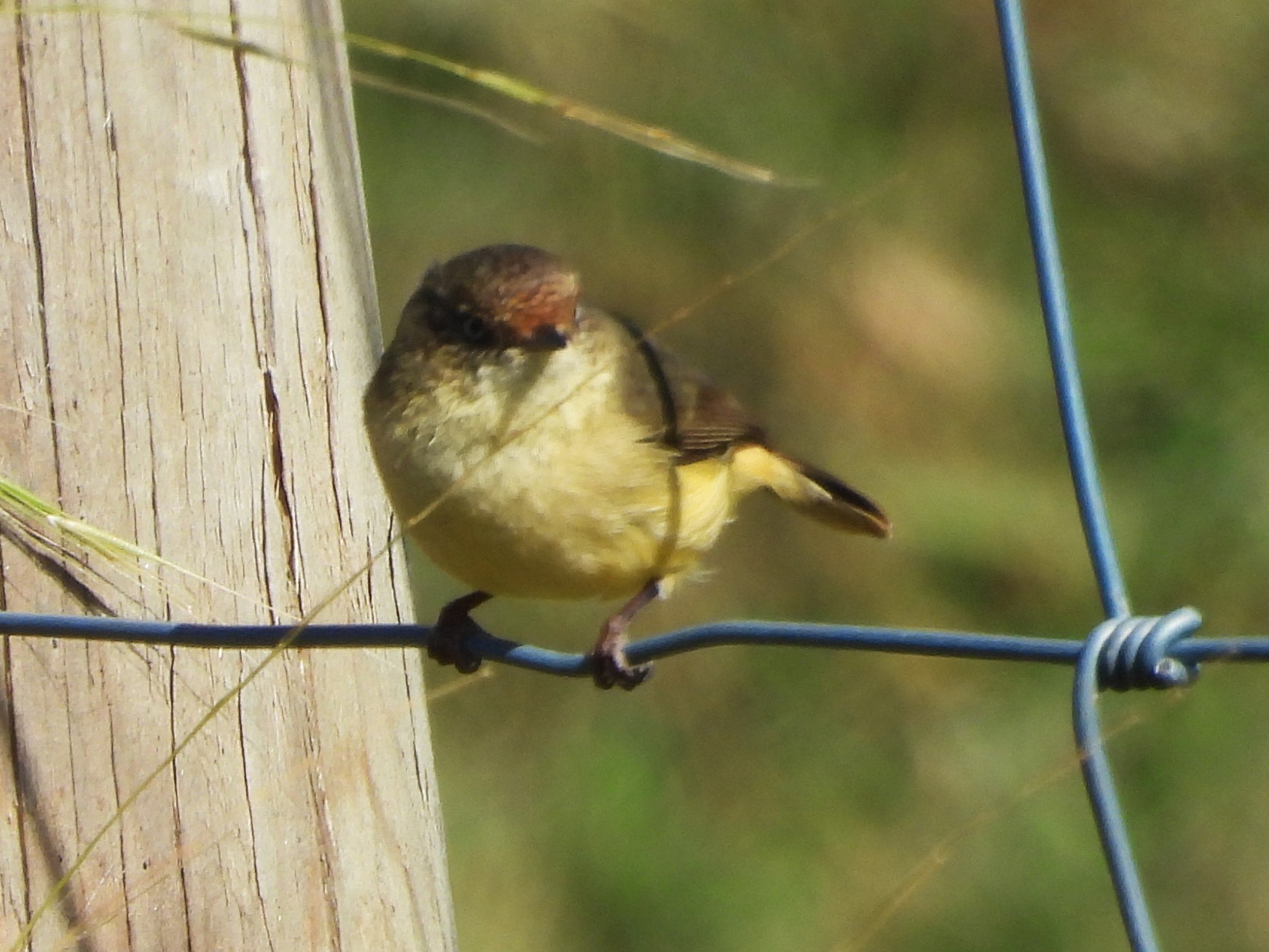
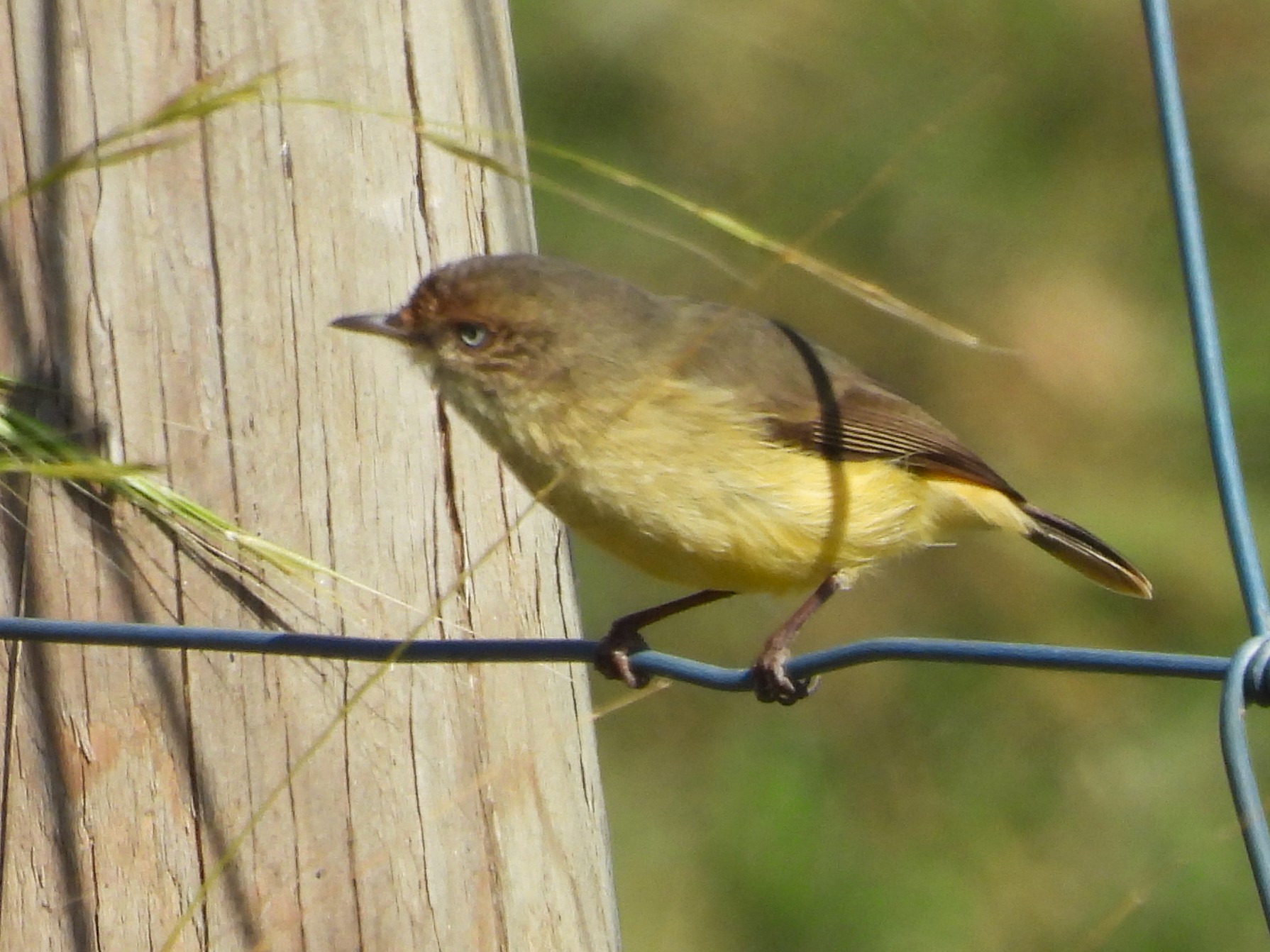
Note the very pale eye, and the lack of any streaking on the breast, and watch out for this bird foraging on the ground as well as in low foliage.
They are called ‘buff-rumped’ in order to distinguish them from the ‘yellow-rumped’ which is a brighter bird found nearly always on the ground with a cheery call. Buff is apparently a dirty dark yellow in this context.
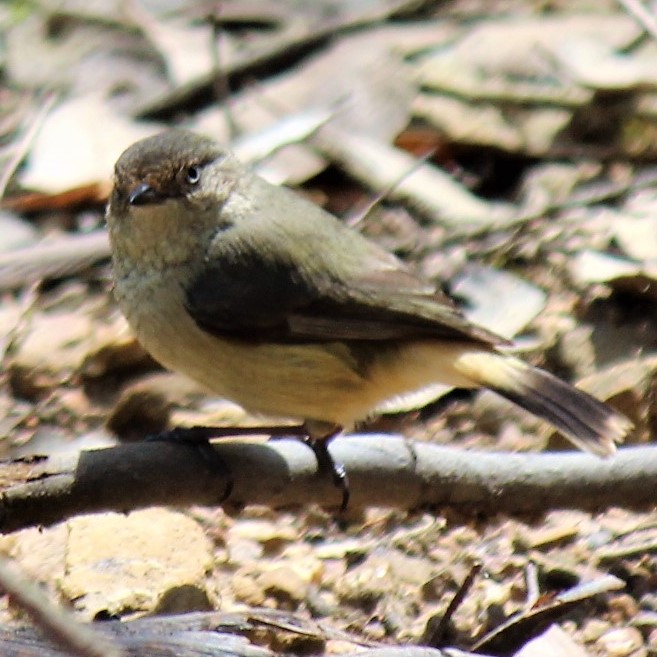
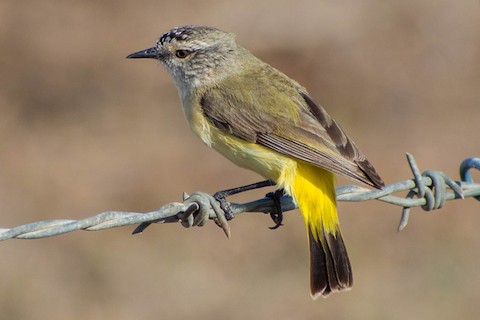
‘Buff’ has many meanings and a name for a colour seems one of the less common ones. If a man is said to be ‘buff’, he could be naked, muscly or an expert on, say, history or cheese. It can also be a term for polishing, and historically was to do with preparing leather, especially thick undyed leather from a buff-alo.
In the case of this bird, which is neither naked nor muscly, buff refers to the colour of the rump -only properly seen when the wings are spread in flight – which is ‘a dull yellowish-brown colour’.
The irregular visitor
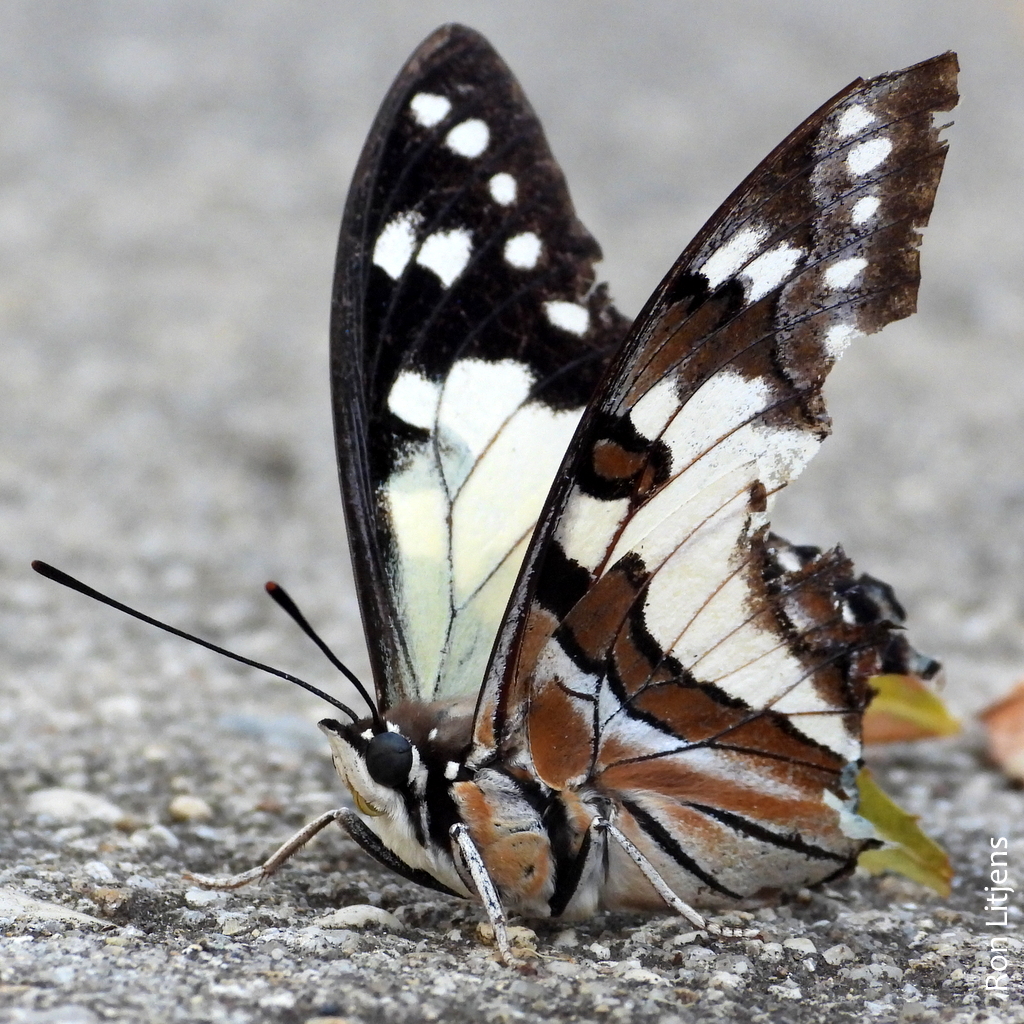
If you have been living in the same patch for a period of time the chances of seeing new species of fauna, particularly large ones is diminished – unless you are talking insects where there are thousands of species yet to be observed. It was a surprise therefore when I found a large butterfly that I had never seen before sitting on the driveway (pictured). It was pretty beaten up and looked like it had traveled a long way.
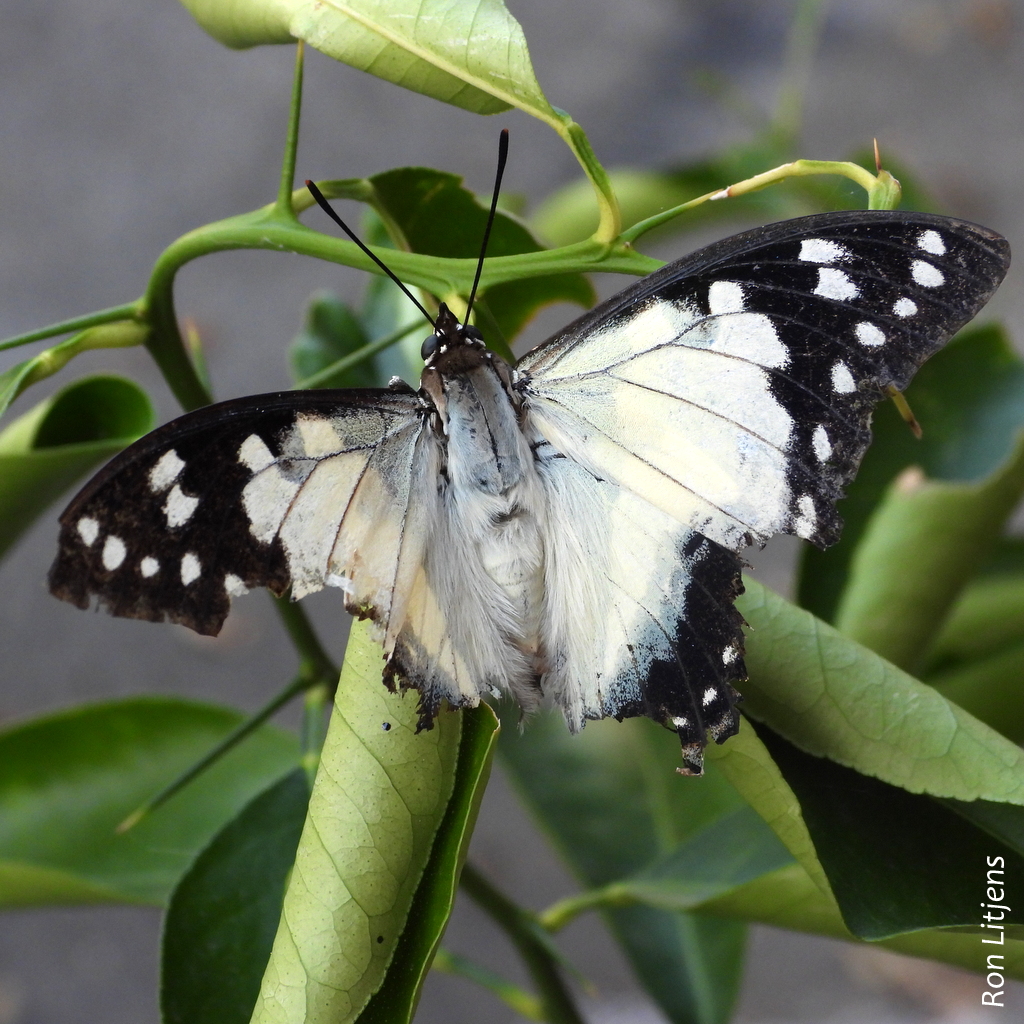
The Tailed Emperor (Polyura sempronius), the scientific name of which sounds like a Hogwart’s spell, is a large butterfly common to northern and eastern Australia. Depending on the climatic conditions i.e. it likes mild winters, and the availability of food plants for its young – acacias and kurrajongs to name a couple, the range of the Tailed Emperor can sometimes extend into southern New South Wales and northern Victoria, where it is classed as a irregular visitor.
The butterfly is named for the double-pointed tail on its wings. This specimen looked like it had a rough trip and was missing the tails of both wings.
Retail therapy is definitely required.
What did they eat before?
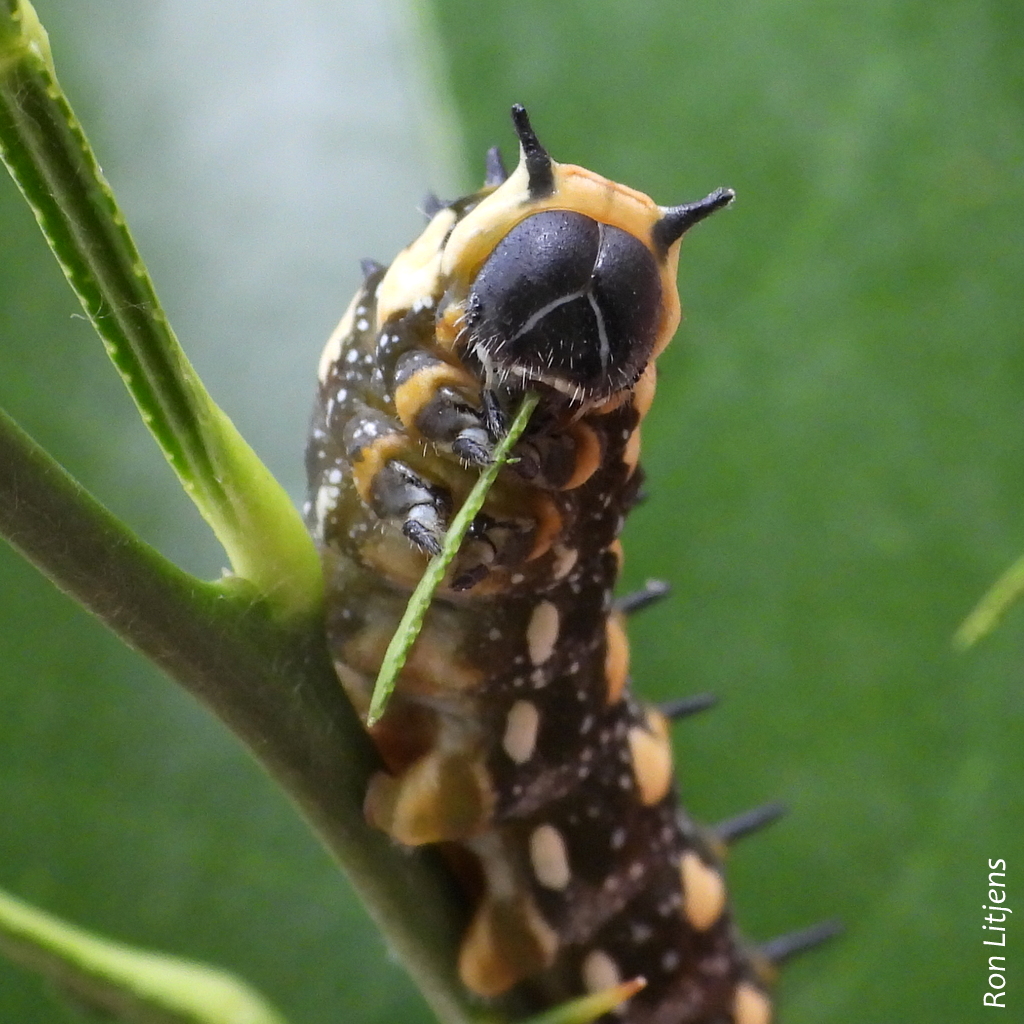
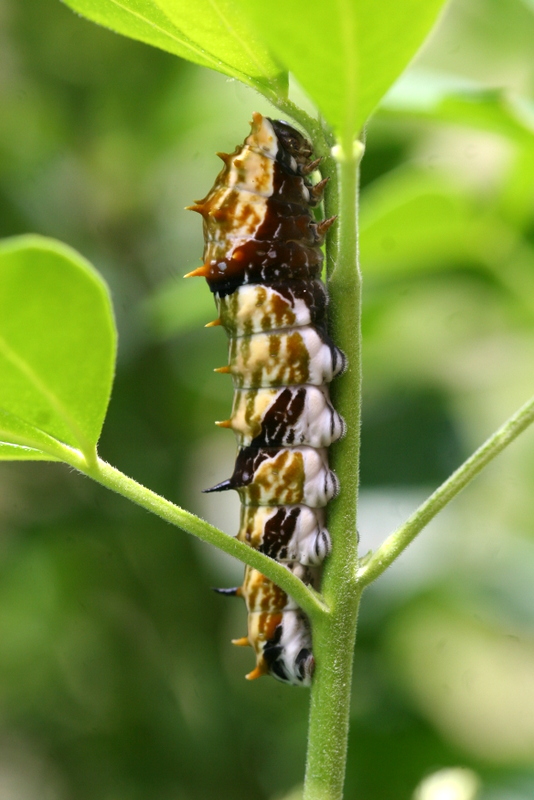
At the moment my citrus plants are lunch for a range of caterpillars. Early in the season the Dainty Swallowtail (Papilio anactus) laid eggs on a Kaffir Lime (Citrus hystrix), that resulted in a batch of caterpillars (pictured left). This week caterpillars of both the Orchard Swallowtail (Papilio aegeus), pictured below, and the Dainty Swallowtail are happily munching on the new Lemon (Citrus x limon) leaves. Given that both species of butterfly are endemic to Australia it begs the question ‘What did the caterpillars feed on before lemons and limes were introduced into Australia’?
Lemons and limes are from the plant family Rutaceae, commonly called citrus. Lemons and limes originated in India and southeast Asia but it turns out that there are many species of Rutaceae that are native to Australia. The majority of plants of the genus Boronia, Correa, Eriostemon, Zieria and Philotheca (to name but a few) are Australian and are all of the Rutaceae family, citrus!
I bought the Kaffir Lime to specifically attract Dainty Swallowtail butterflies. It is positioned next to a native garden full of Correas and Boronias. I should have saved my money. Who knew!
Night of the Big Moths
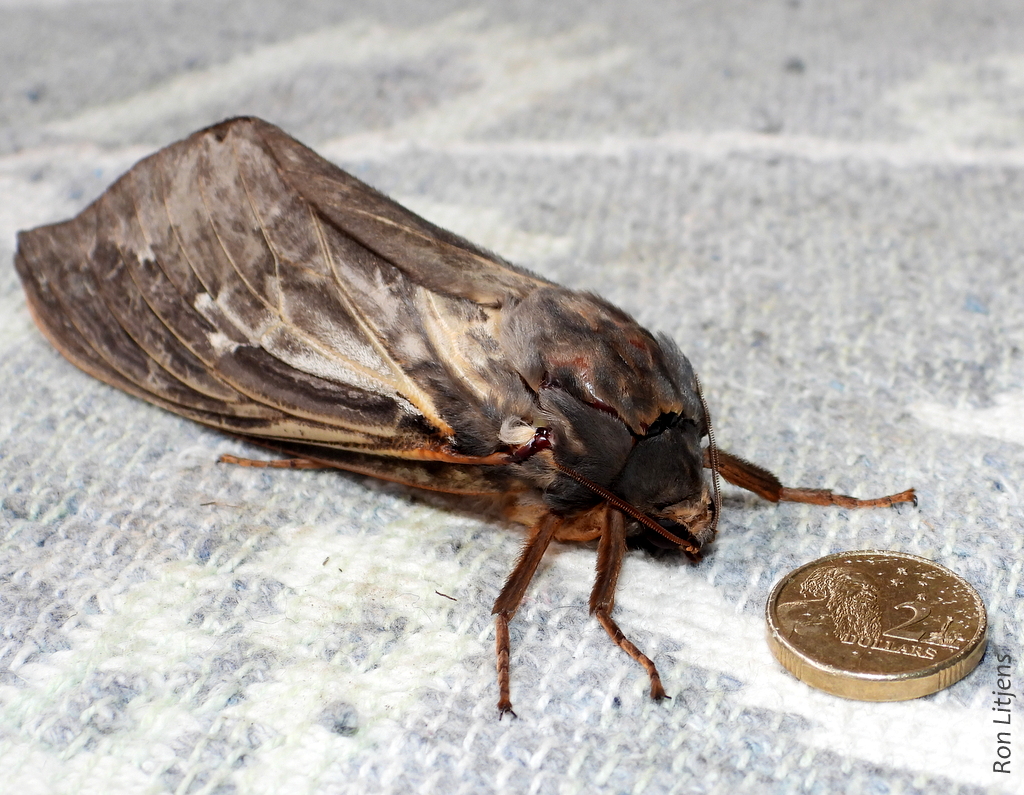
It is well known that after light rains in autumn, moths of the Hepialidae family emerge from their pupae underground and fly in coordinated masses. It is a spectacular sight made even more amazing when large moths of other species join the display. Last Thursday night was one such time.
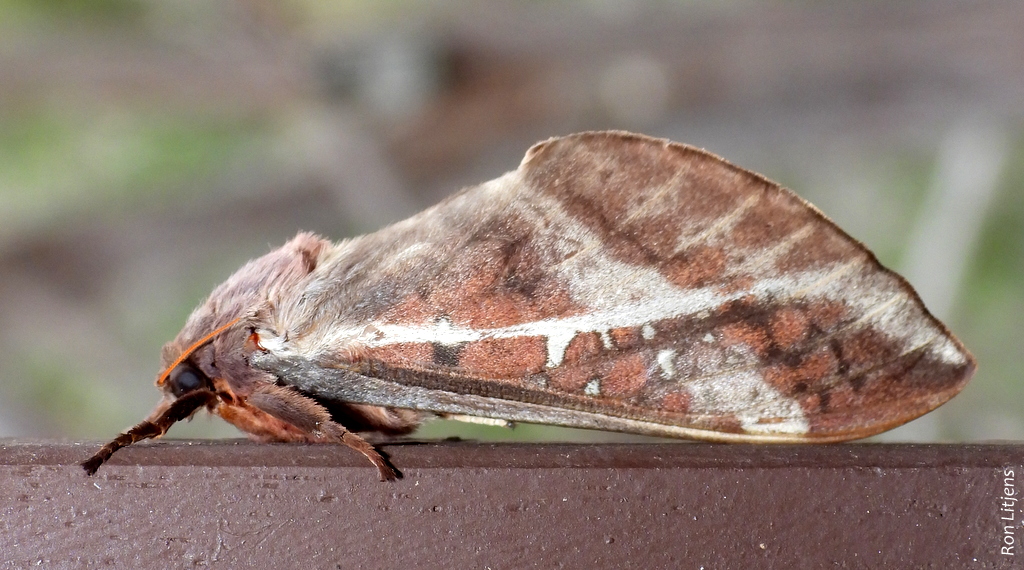
Hepialidae moths, also known as Rain, Ghost or Swift moths, are some of the largest moths in Australia. They spend much of their lifecycle underground as caterpillars feeding on tree roots after which time they pupate, also underground. In Autumn after rain the adult moths emerge en masse leaving the characteristic pupal cases sticking half out of the ground [Click HERE for more information]. Last Thursday night moths of the genus Abantiades and Oxycanus, pictured, were putting on a display.
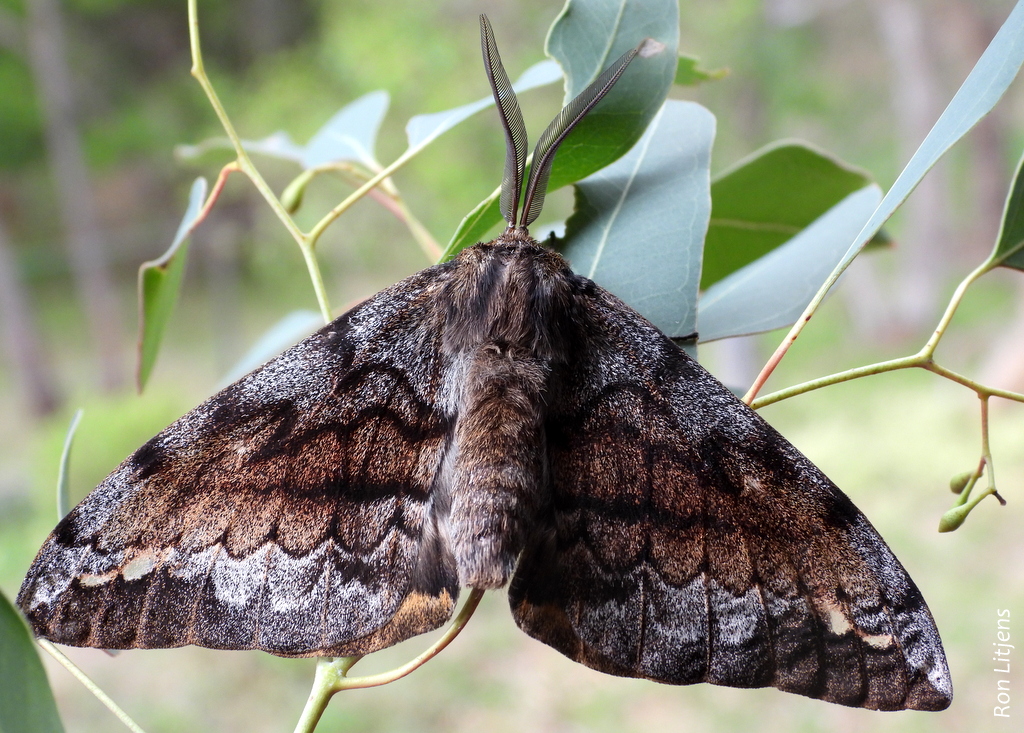
Joining them were White-stemmed Gum Moths or Bat-wing Moths (Chelepteryx collesi) pictured above. These are also large moths. Their caterpillars are the largest in Australia and feed on eucalypt leaves. Both the caterpillars and their cocoons are covered with highly irritating spines. Beware. [Click HERE for more information].
Strangely enough these large moths decided to rest on the verandah the next day. It must be tiring putting on a show.